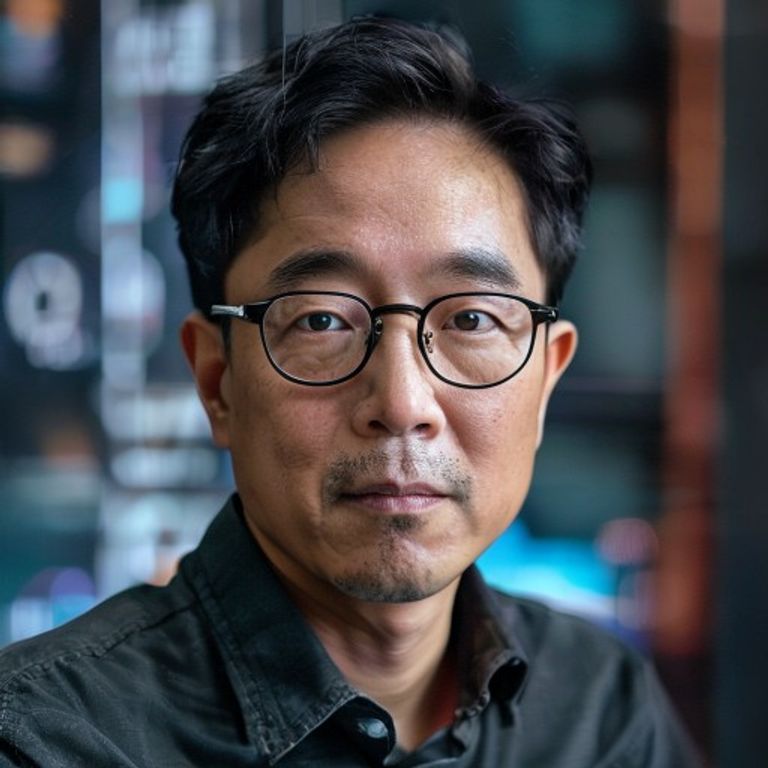
The murmurs of AI replacing human jobs often stir anxiety, painting a picture of a future where machines dominate the workforce. However, leading AI visionary Andrew Ng offers a refreshingly optimistic and pragmatic perspective. Ng, co-founder of Google Brain and Coursera, consistently argues that while AI will profoundly impact our careers, its primary role is not to replace workers but to enhance and transform the very nature of work itself. This isn’t about job eradication; it’s about how Andrew Ng AI redesign work, creating new opportunities and demanding an evolution of human skills.
The Nuance: Why AI Redesigns, Not Replaces
The common fear stems from a misunderstanding of AI’s current capabilities and trajectory. While AI excels at automating specific tasks, replicating the full spectrum of human intelligence, creativity, and emotional nuance remains a distant prospect. Andrew Ng emphasizes that AI is a tool, much like electricity or the internet, that augments human capability rather than rendering it obsolete.
Consider a factory floor: instead of replacing every worker, AI-powered robotics might take over repetitive, physically demanding, or dangerous tasks. This frees human employees to focus on quality control, machine maintenance, process optimization, or innovation – roles that require complex problem-solving, adaptability, and human judgment. The job isn’t gone; it’s been redesigned to leverage human strengths where AI falls short.
Actionable Takeaway: Instead of fearing your job’s demise, analyze your current role. Identify tasks that are repetitive, data-heavy, or predictable. These are the tasks AI is likely to augment first, allowing you to focus on higher-value activities.
Andrew Ng AI Redesign Work Through Augmentation
Ng’s vision for AI-augmented work centers on machines handling what he often calls the “dull, dirty, and dangerous” tasks. This enables humans to engage in more creative, strategic, and human-centric work. Think of AI as a powerful co-pilot, not a replacement driver.
For example:
- Designers can use generative AI to quickly prototype hundreds of design variations, then apply their human creativity and aesthetic judgment to refine the best options.
- Customer service representatives can leverage AI chatbots to handle routine queries, allowing them to focus on complex, emotionally charged issues that require empathy and nuanced problem-solving.
- Doctors can utilize AI for rapid diagnosis assistance or analyzing medical images, freeing up more time for direct patient interaction and personalized care.
In each scenario, AI isn’t doing the whole job; it’s enhancing human productivity and allowing individuals to operate at a higher, more impactful level. This shift transforms roles, making them potentially more engaging and less monotonous.
Actionable Takeaway: Explore how AI tools are already being integrated into your industry or profession. Experiment with relevant AI assistants or software to understand their potential to enhance your workflow.
The Emergence of Hybrid Roles
As AI becomes more pervasive, we’re seeing the rise of “hybrid roles” – positions that blend traditional skills with AI proficiency. These might include:
- AI Trainers: Individuals responsible for feeding AI models data and correcting their outputs.
- Prompt Engineers: Experts in crafting precise instructions to get the best results from generative AI models.
- AI Ethicists: Professionals ensuring AI systems are fair, unbiased, and used responsibly.
- Human-in-the-Loop Managers: Overseeing automated processes and stepping in when AI reaches its limits.
These roles didn’t exist a decade ago, showcasing how AI doesn’t just automate; it innovates the job market itself.
Cultivating Essential Skills for an AI-Augmented Future
To thrive in a world where Andrew Ng sees AI redesigning work, focusing on uniquely human skills is paramount. AI can process data at lightning speed, but it struggles with:
- Critical Thinking: Evaluating complex situations, identifying biases, and making nuanced judgments.
- Creativity and Innovation: Generating novel ideas, artistic expression, and out-of-the-box solutions.
- Emotional Intelligence: Understanding, managing, and responding to human emotions.
- Collaboration and Communication: Working effectively in teams, negotiating, and inspiring others.
- Adaptability: Rapidly learning new tools and processes, and thriving amidst change.
These “soft skills,” often overlooked in the past, are becoming the hardest and most valuable skills in the AI era.
Actionable Takeaway: Invest in developing your uniquely human capabilities. Seek out opportunities to lead projects, solve complex problems, practice empathetic communication, and engage in creative endeavors both inside and outside of work.
Preparing for the AI Revolution: A Proactive Approach
Ng consistently advocates for proactive engagement with AI. This isn’t about becoming a machine learning engineer overnight, but about understanding AI’s potential and limitations. It means fostering a growth mindset and embracing continuous learning.
Here’s how you can prepare:
- Learn AI Fundamentals: Understand what AI is, how it works at a basic level, and its common applications. Online courses and workshops can be a great starting point.
- Focus on Problem-Solving: AI is excellent at finding answers, but humans are still best at defining the right questions and identifying real-world problems to solve.
- Embrace Hybrid Intelligence: Practice working alongside AI tools. The future belongs to those who can effectively collaborate with intelligent machines.
- Network and Share Knowledge: Engage with communities discussing AI’s impact on work. Learn from peers and experts about emerging trends and best practices.
Ultimately, Andrew Ng’s vision for AI to redesign work offers a powerful framework for navigating the future. It’s a call to action, urging us to embrace lifelong learning and adapt our skill sets to leverage AI as a partner, not an adversary. By understanding AI’s role in augmenting human capabilities, we can move beyond fear and toward a future where work is more productive, creative, and fulfilling.
Explore more AI and automation insights at www.agentcircle.ai


0 Comments